Does AI-written content rank on Google, 2026
Yes, AI-written content can rank. Google judges quality, not the tool, and targets scaled content abuse. Here is what its guidance says.

Yes, AI-written content can rank. Google says it looks at the quality of a page, not the tool that produced it. What it penalizes is publishing many pages mainly to manipulate rankings, and it names generative AI as one way to do that.
Below are the four Google pages that matter, the key lines quoted, and a short checklist to run before anything goes live.
What Google actually says about AI content
Quality over production method
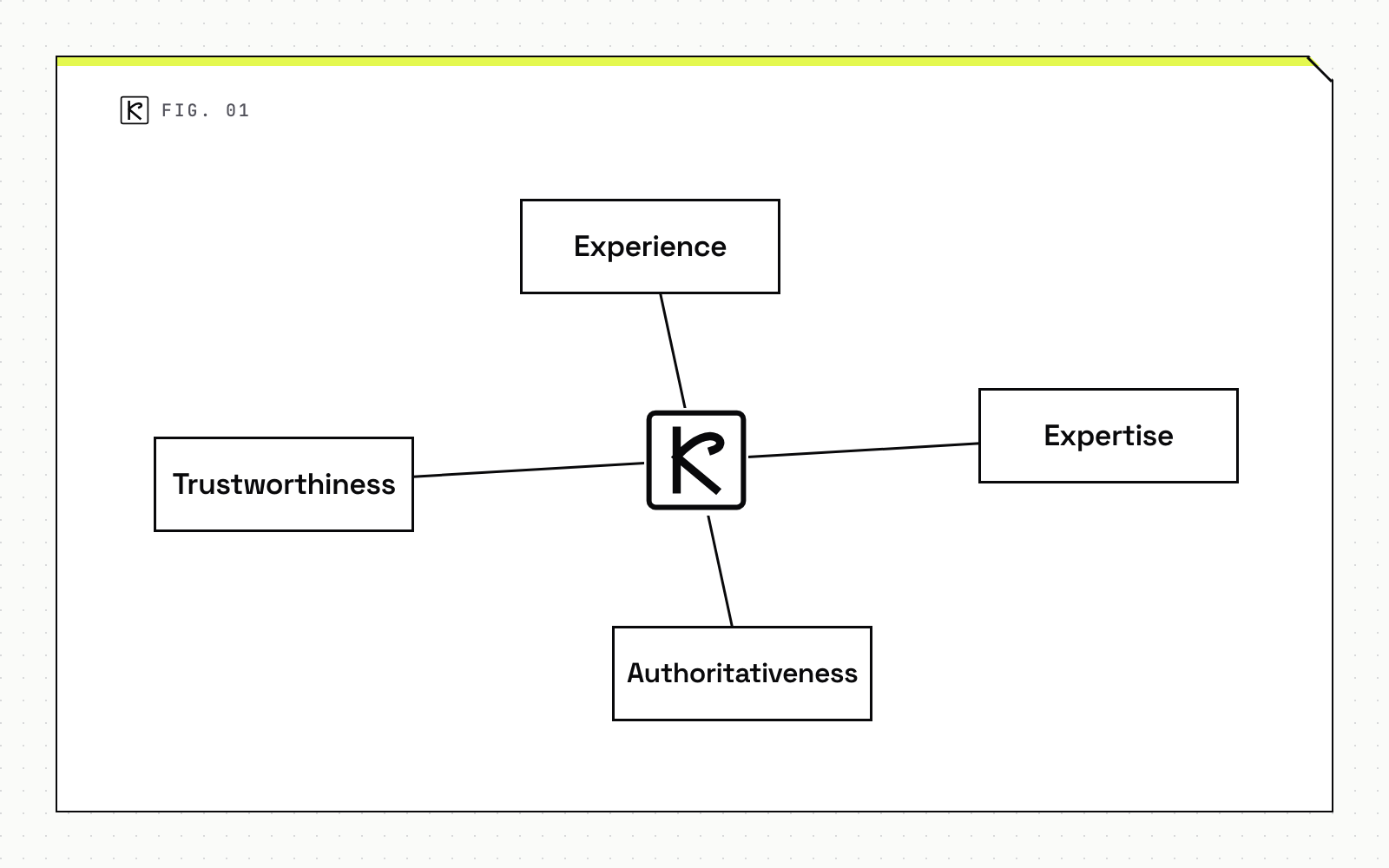
Google's Search Central post on AI-generated content, published February 8, 2023, says its ranking systems aim to reward original, high-quality content that shows E-E-A-T: experience, expertise, authoritativeness and trustworthiness. It says it focuses on content quality rather than how content is produced.
The same post puts it plainly: "Using AI doesn't give content any special gains. It's just content." AI content can rank when it is useful, helpful and original. It can fail to rank when it is not. The label does not change the outcome in either direction.
Automation was never the problem
Google points out that automation has long produced helpful content, such as sports scores, weather forecasts and transcripts. The post describes AI as a tool that can expand creativity and help people create good web content. Google objects to the purpose, not the software.
Where the line is: scaled content abuse
The definition is about purpose
Google's spam policies define the term in one sentence: "Scaled content abuse is when many pages are generated for the primary purpose of manipulating search rankings."
The policy targets large volumes of unoriginal, low-value content regardless of how it is produced. A person can commit scaled content abuse by hand. A model can produce pages that comply. What matters is whether the pages help users.
The AI example, and the others next to it
The spam policy lists "using generative AI tools or other similar tools to generate many pages without adding value for users" as an example. It sits beside several non-AI examples:
- Scraping feeds or search results to produce many pages, including through synonym swaps or translation, when users gain little value.
- Stitching together content from different pages without adding value.
- Creating multiple sites to hide the scale of the content.
- Creating many pages that make little sense to a reader but contain search keywords.
Google's guidance on generative AI content repeats the warning: using AI tools to generate many pages without adding value for users may violate the scaled content abuse policy. The two key phrases are "many pages" and "without adding value". Both have to be true.
What makes AI-assisted content helpful
People-first content and E-E-A-T
Google's people-first content guidance lists warning signs: content made mainly to attract search traffic, mass automated production across many topics, and summaries of other people's work that add nothing. Useful signs include first-hand expertise, a clear site purpose and readers who leave with enough understanding to reach their goal.
On E-E-A-T, the page says: "Of these aspects, trust is most important." E-E-A-T is not a direct ranking factor, but content that shows it is favored, especially on topics that affect health, financial stability or safety. For a practical read on applying this to a company site, see E-E-A-T on a company blog.
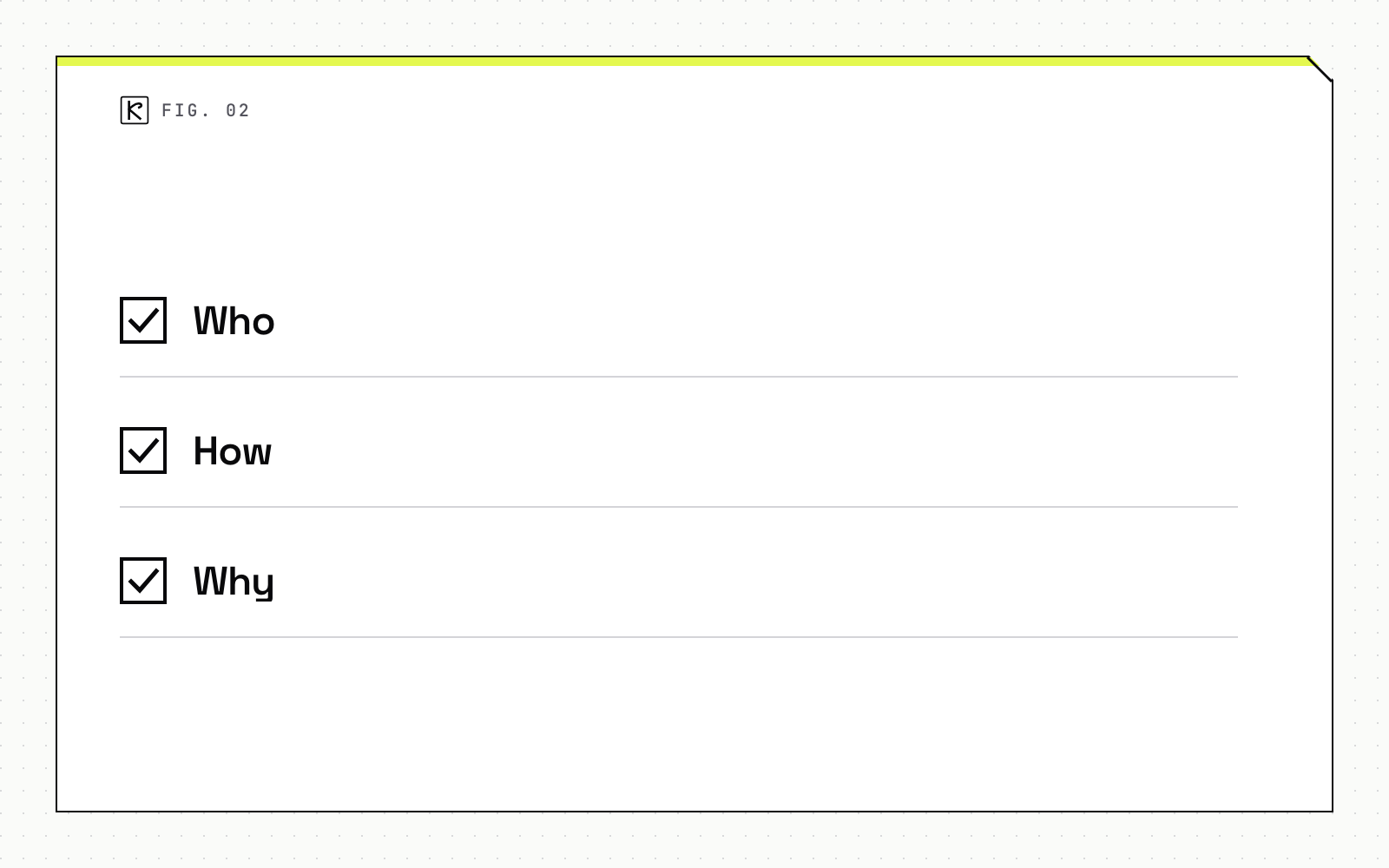
Who, How and Why
The same page frames quality as three questions:
- Who: make authorship clear, with bylines that link to author background. Google calls fabricated creators, such as made-up names, AI-generated headshots or false credentials, deceptive.
- How: disclose automation or AI use where readers would reasonably wonder how the content was created.
- Why: the main reason to publish should be to help visitors. Using AI or automation mainly to manipulate rankings violates the spam policies.
On disclosure, the 2023 post adds that listing AI as an author is probably not the best way to disclose AI involvement.
Review before publishing
Google's generative AI guidance is blunt about accuracy. Generative models predict likely word sequences rather than retrieving facts, so output can contain hallucinations. The advice is to fact-check and review AI content before it goes live.
The review is not limited to the body. The same page says to apply it to title elements, meta descriptions, structured data and image alt text, because these can appear in Search results. Many teams check the body and ship the metadata unread.
Google also says its Search Quality Rater Guidelines, which cover low-effort and unoriginal main content, are not a ranking guide and that ratings don't directly influence ranking. They describe what Google considers low quality. They are not a scoring system you can optimize against.
A review step only works if someone owns it. For a framework on which steps need a person, start with the actions that cannot be undone, and publishing is one of them.
A checklist before you publish
Use this list on any page where AI helped, whether it drafted a paragraph or the whole article.
- Purpose: can you state in one sentence who the page helps and what they can do after reading it?
- Added value: does it contain something the top results do not, such as a number, a first-hand detail, a sourced quote or a decision rule?
- Facts: has a person checked every figure, date, quote and link against the primary source?
- Metadata: have the title, meta description, structured data and alt text been read by a person?
- Authorship: is there a real, accountable author or publisher, and no invented persona?
- Volume: are you publishing at a pace where each page still gets that review? Many pages without added value is the pattern the policy describes.
- Disclosure: if readers would reasonably ask how the page was made, does it say?
Teams building an automated workflow should decide where the quality gate goes in an AI content engine before they turn up the volume. If you want help setting that up for your site, talk to Kallos Labs.
Conclusion
Google's position has held since February 2023: it ranks pages on quality and acts against mass production aimed at rankings. AI is not a ranking penalty and not a ranking advantage. It is one way to produce text, and that text is judged like any other.
The practical rule is to keep volume tied to review capacity and to add something a reader cannot get from a summary of existing results.
Frequently asked questions
Does Google penalize AI-written content?
No, not for being AI-written. Google says it focuses on content quality rather than how content is produced. The risk is scaled content abuse, where many pages are generated mainly to manipulate rankings, with or without AI.
Do I have to label AI content?
Google suggests explaining how content was created where readers would reasonably wonder, and says bylines fit where readers ask who wrote it. It does not set a universal labeling rule for ordinary web pages. Some Google products, such as Merchant Center, have their own labeling requirements for AI-generated images and product text.
Can AI be listed as the author?
Google's 2023 guidance says listing AI as an author is probably not the best way to disclose AI involvement. A real byline for the accountable person or publisher, plus a note on how the content was made, fits its Who, How and Why framework better.
Are the quality rater guidelines a ranking factor?
No. Google says the Search Quality Rater Guidelines are not a ranking guide and that ratings don't directly influence ranking. They describe what Google considers low-effort or unoriginal content, which is useful for self-review.