Local SEO for service businesses: profile, citations and reviews, 2026
Local SEO for a service business comes down to an accurate Google Business Profile, consistent citations and honestly earned reviews.
Local SEO for a service business comes down to three things: a complete and accurate Google Business Profile, the same business details on every site that lists you, and a steady flow of honest customer reviews. You cannot pay Google for a better local position, so the work is mostly accuracy and consistency. This guide covers each part in the order you would do it.
How Google ranks local results
Google says local results are mainly based on three factors: relevance, distance and prominence. Google's ranking guidance defines them in one line each.
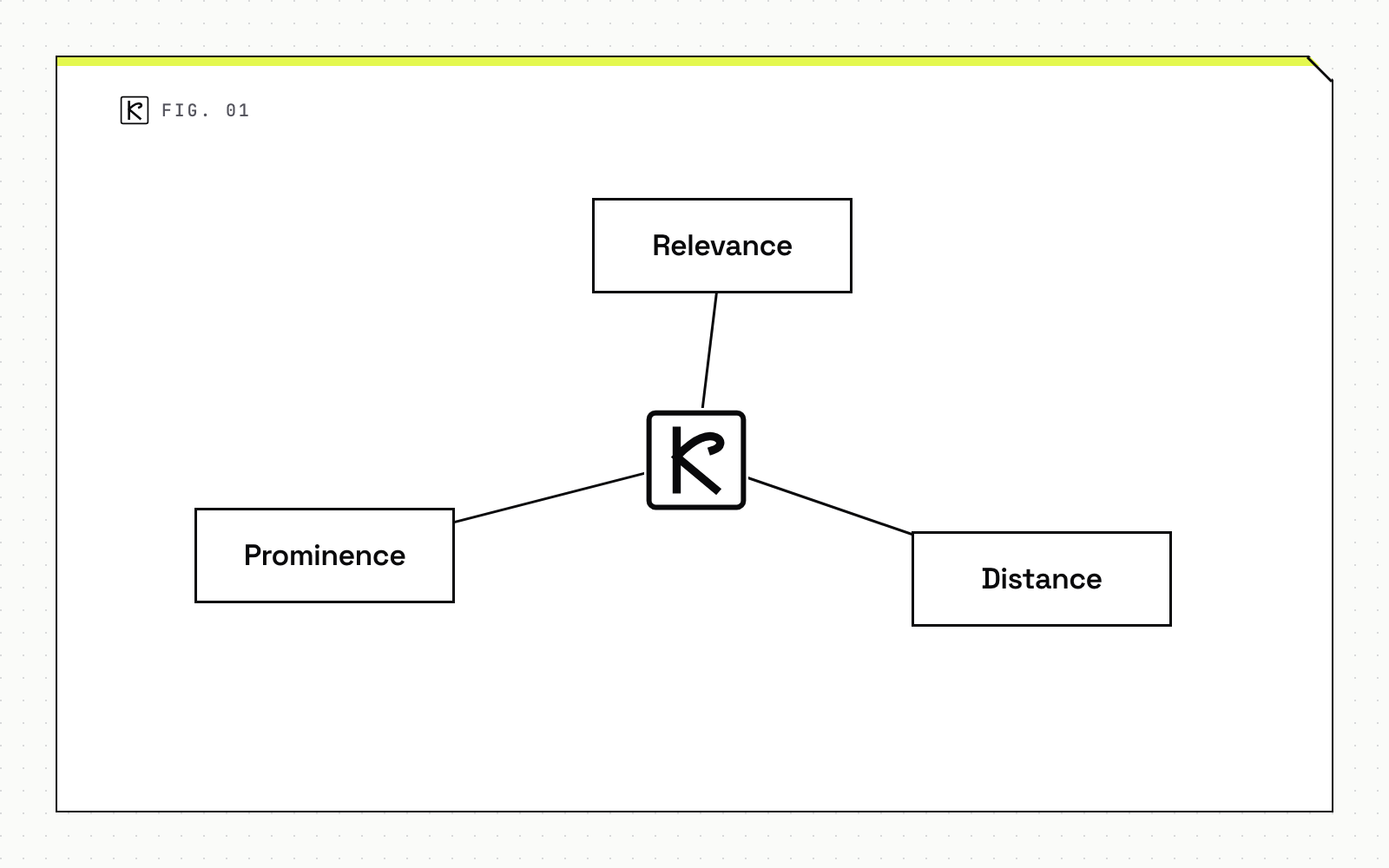
Relevance, distance and prominence
Relevance is how well your profile matches what someone searches for. Distance is how far your business is from the searcher. If the searcher does not share a location, Google uses what it knows about where they are. Prominence is how well known you are, and Google says it draws on information such as how many websites link to your business and how many reviews you have.
Two of the three are partly in your hands. You control relevance by filling in the profile completely and accurately. You influence prominence through links, citations and reviews. Distance is the one you mostly can't change.
What you cannot buy or control
Google states plainly: "There's no way to request or pay for a better local ranking on Google." Any vendor promising a guaranteed map position is selling something Google does not offer. The same page says businesses with complete and accurate information are more likely to show up in local search results, and that verified businesses are more likely to appear.
Since distance is fixed by where your searcher stands, a competitor next door to the customer will often beat you for a close-by search. A better move is to win the searches where relevance and prominence decide the outcome: specific services, specific neighborhoods and comparison queries.
Set up the profile as a service-area business
Most profile mistakes that cost visibility happen at setup. The rules below come from Google's guidelines for representing your business.
Eligibility, name and address
A business qualifies if it has a physical location customers can visit or if it travels to customers. A virtual office, meaning a rented mailing address where you do not operate, is not eligible. P.O. boxes and remote mailboxes are not acceptable addresses. Each business should have one profile, because duplicates can cause display problems on Maps and Search.
Your business name must match the name customers know from your signage, website and stationery. Google does not allow extra information in the name, including marketing taglines, phone numbers, URLs, service descriptions and location details. "Smith Plumbing" is fine. "Smith Plumbing, 24 hour emergency plumber, Springfield" is a policy violation that can get the profile suspended.
Service area and hiding the address
If you work at customers' locations and have no storefront, you get one profile for your central office with a designated service area. Google says that area should generally not extend more than about two hours' driving time from your base. Service-area businesses should hide their address from customers.
Hybrid businesses, such as an auto repair shop that also offers roadside service, can show a storefront address and set a service area if the location is staffed and can receive customers during stated hours. Businesses selling age-restricted products such as alcohol or cannabis cannot be service-area businesses without a storefront. We cover that case in more detail in Google Business Profile rules for dispensaries.
Categories, hours, phone and website
Pick the fewest categories that describe your core business, and choose the most specific option available. Categories describe what the business is, not a list of services, and they are not a place for keywords. According to Ahrefs, citing Whitespark's 2026 data, the primary category is the number one ranking factor for Google Maps. Unrelated secondary categories create confusion and are a suspension risk.
Set regular hours and add special hours for holidays. Use a phone number and website that represent the specific business location. Google prefers a local number over a central call center, and the website link should not redirect to a social media landing page.
Citations and NAP consistency
A citation is a mention of your business name, address and phone number (NAP) on another website. Directories, maps apps and industry listings all count.
Where to list and how to keep it identical
Ahrefs names Yelp, Bing Places, Apple Maps, Facebook, Foursquare and industry or local directories as the usual targets. Start with the ones customers in your trade actually use, then add local sources such as your chamber of commerce.
The rule is exact matching. Ahrefs notes that even small differences, such as abbreviating "Street", can create an inconsistency. Pick one canonical version of your name, address and phone number, store it in a single document, and copy it character for character. If you set up as a service-area business with a hidden address, make sure directories do not re-publish your home address.
Citations also feed prominence, which is why they matter beyond the directory itself. For the wider idea of keeping your brand unambiguous, see making your brand unambiguous to search engines. There is no official number of citations to reach, so treat any "you need 50" claim as an unsourced opinion.
Reviews: asking, answering, staying within policy
Reviews are the part of local SEO you can see. Google lists the number of reviews and the ratings among the prominence signals, and says more reviews and higher ratings can improve local ranking.
Asking with a link or QR code
Google's tips for getting more reviews suggest sharing a review link or QR code. Customers need a Google Account to post. Ask at the moment the job is done, by text or on the invoice, and ask everyone. Ahrefs suggests aiming for steady review generation rather than occasional bursts. Its figure of roughly two to three reviews per week is the author's guidance, not a Google rule, so scale it to your job volume.
What is prohibited
Google says reviews "must reflect a genuine experience." Offering free or discounted goods or services in exchange for a review, or for changing or removing one, is fake and misleading content and "strictly prohibited". Some third-party guides suggest incentives. Don't follow them. Repeated violations can restrict your access to the profile.
Do not screen customers and ask only the happy ones. Google notes that a mix of positive and negative feedback tends to look more trustworthy than only praise.
Replying well
Reply to reviews, positive and negative. Google's advice is to stay professional and brief, avoid generic thank-yous, and use the reviewer's name. Never share a reviewer's personal information. For a complex complaint, invite the customer to call or email you. Apologize when you were wrong, and do not accept blame for things outside your control. If a review breaks Google's content policies, flag it separately. Flagging and replying can both be done.
Build local pages and measure
The profile points to your website, so the site has to agree with it. Ahrefs recommends local title tags, location-based headings, a dedicated page per core service, LocalBusiness schema and an embedded map. Keep the name, address and phone number on the site identical to the profile and the citations.
Local backlinks add to prominence. Chamber of commerce memberships, sponsorships and local press are the sources Ahrefs lists. They're slow to earn, and hard for a competitor to copy.
Then check whether it worked. You can measure the results with GA4 and Search Console: track calls, direction requests and form submissions from the profile separately from organic website sessions. If you operate several locations, the structure question is covered in one site or many for multiple locations, which applies beyond dispensaries.
Conclusion
As of October 2026, the official guidance has not changed in spirit: be accurate, be complete, be consistent, and earn reviews honestly. Set up the profile to the guidelines, keep your name, address and phone number identical across every listing, ask every customer for a review without incentives, and answer what people write. If you want a team to set up the website and structured data behind this, our SEO and AEO service covers it.
Frequently asked questions
Can I pay Google to rank higher in local results?
No. Google states there is no way to request or pay for a better local ranking. Gains come from an accurate profile, reviews and web prominence.
Do I need a storefront to have a Business Profile?
No, but you need either a location customers can visit or a business that travels to them. Virtual offices and P.O. boxes are not eligible. Service-area businesses can hide their address from customers.
Can I offer a discount for a Google review?
No. Google calls incentives for reviews strictly prohibited. You can ask every customer through a review link or QR code instead.
How many citations do I need?
There is no official number. Focus on the major directories and the relevant local or industry ones, and keep your name, address and phone number identical on each.