Cannabis advertising restrictions on Google and Meta, 2026
US dispensaries cannot run marijuana ads on Google or THC ads on Meta in 2026. Here is what the policies say and what remains open.

The short answer
A US dispensary cannot buy ads for marijuana on Google, and it cannot buy ads that promote or sell THC products on Meta. Both rules come from the platforms' own policy pages, not from state law. What's left is narrow: a few hemp and CBD paths with certification, educational content, an honest Google Business Profile, and the channels you own. This guide covers platform policy only. It is not legal advice, and state advertising rules are a separate layer.
What Google Ads prohibits
Marijuana and recreational drug rules
Google's recreational drugs policy does not allow "ads for substances that alter mental state for the purpose of recreation or otherwise induce highs," and it lists marijuana as an example. It also bars ads for products or services marketed as facilitating recreational drug use. The examples include pipes, bongs and cannabis coffee shops. Instructional content about producing, purchasing or using recreational drugs is covered too.
The page does not mention dispensaries by name. Don't read that silence as permission. A dispensary ad that promotes marijuana falls under the marijuana rule itself.
The Canada pilot, and what it is not
Google does run a limited cannabis pilot, but only in Canada. A policy update posted January 15, 2026 extended the pilot, which began August 25, 2025, through the end of 2026. It covers Search only. Participation is restricted to holders of federal Health Canada licenses for cultivation, processing or sale for medical purposes, plus provincially and territorially authorized government operators and private retailers. Google describes its purpose as exploring user interest and informing possible future policy updates.
None of that opens ads to US dispensaries. If you operate in the United States, the pilot is a signal to watch. It isn't a channel you can use.
Hemp CBD is a separate path
Google allows ads for topical, hemp-derived CBD products with THC content of 0.3% or less, under certification conditions. That rule is about creams and lotions. It doesn't cover a dispensary's THC menu. Google also says it issues a warning at least 7 days before any suspension for these policy violations, which gives you time to fix an account. It isn't a license to test the limits.
What Meta prohibits and permits
THC and paraphernalia
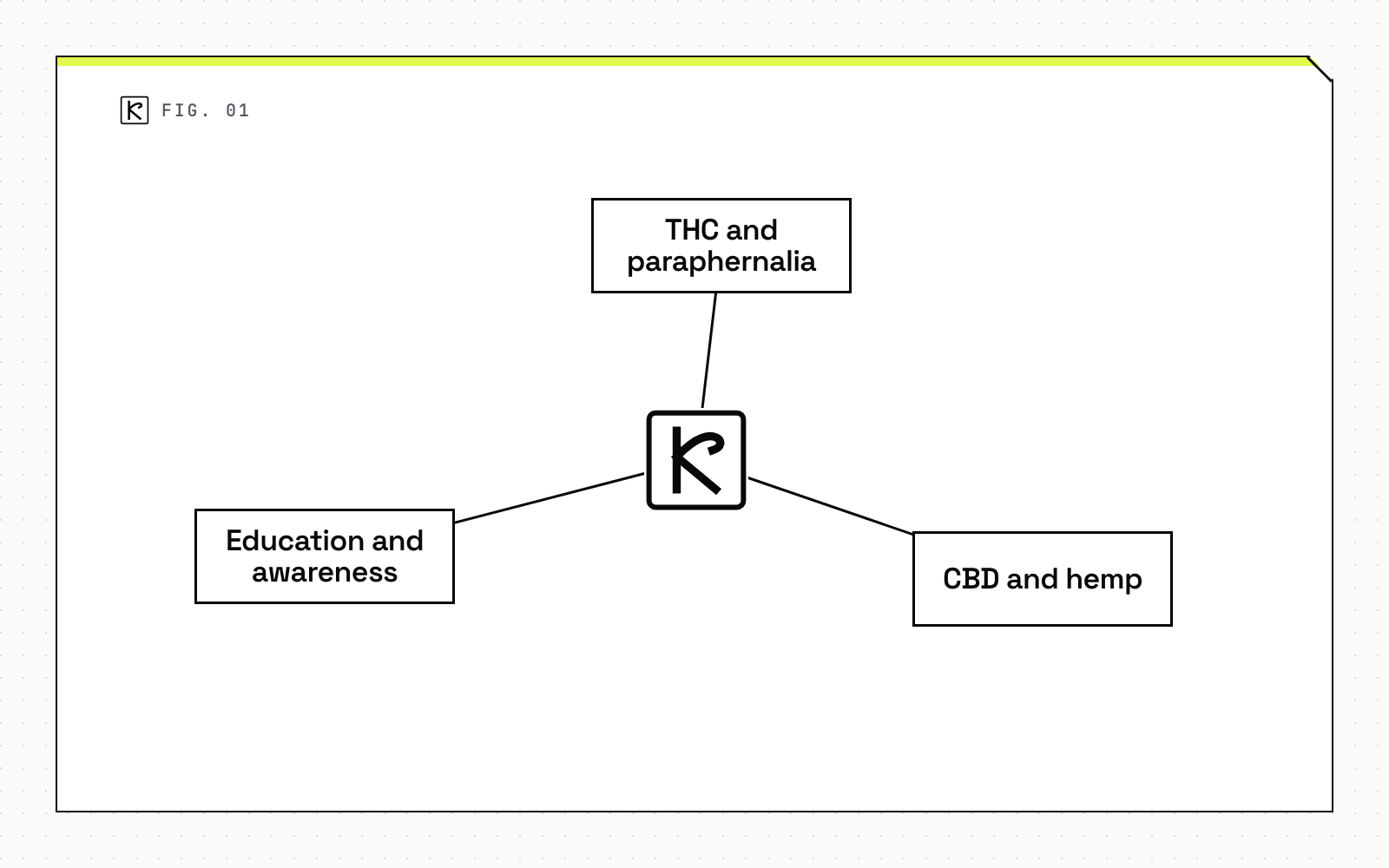
Meta's drugs and pharmaceuticals ad standard says "Ads may not promote or offer the sale of THC products," ingestible or non-ingestible. It also prohibits ads that promote the sale of drug-related paraphernalia, such as bongs, rolling papers and vaporizers.
CBD and hemp
CBD ads are allowed only with prior written authorization. Meta requires the advertiser to be actively certified with LegitScript. The ads may only promote CBD in the United States, must not be targeted to people under 18, and must not make health or medical claims. Hemp products may be promoted in Canada, Mexico and the United States under local law, and hemp products without CBD, or with more than 0.3% THC such as hemp seed and hemp fiber, do not need written authorization.
Education and awareness
Meta allows references to prohibited substances for political advocacy, news and awareness campaigns, as long as they do not promote sale or consumption. Educational, advocacy and public service ads about CBD do not need written authorization if they do not offer prohibited products for sale. The line is simple: is the ad trying to sell?
One limit on this section: we reviewed Meta's ad standards, not its rules for organic posts. Read those separately before you plan unpaid content on its apps.
What you can still do on Google
For most dispensaries, a free Business Profile is the main way into local search. Google's prohibited and restricted content page lists regulated products in general and says uploaded content may not feature calls to action or offers for the sale of restricted products. It also bars links to a page where restricted goods can be bought, contact details for buying them, and promotional offers such as deals, coupons or pricing. Incidental depictions, such as menu images, are excluded.
The page does not name cannabis or marijuana. We found no official Google statement confirming that dispensary profiles are approved, so treat this as unsettled and check the current wording before you publish posts or photos. Our guide to Google Business Profile for a dispensary covers the practical setup.
One rule is explicit. Google's eligibility guidelines say businesses selling age-restricted products, with cannabis named alongside alcohol and weapons, are not permitted as service-area businesses without a storefront. A delivery-only operation does not qualify on that basis.
Build on channels you own
Your website is the one place where the menu, the prices and the ordering flow are yours to set, subject to your state's rules. That is where the work paid ads can't do now has to happen. A sound plan has four parts:
- Menu and product pages that load fast and answer the question a shopper typed. See near-me search for how those pages get found.
- Store pages with accurate hours, address and ordering options.
- Email and SMS lists built on opt-in consent, following the rules your state and carriers set.
- Pages built around the website elements that drive orders, since organic visitors are now your main source.
Search visibility is the other half. Good teams treat each page as a direct answer to one question. If you want help, Kallos Labs does SEO and AEO work for regulated retailers.
Keep a policy record
Platform pages change without notice, and the pages we reviewed show no single clean change date. A short record helps. Save a dated copy of each policy page you rely on, note which channel carries which kind of content, and re-check them quarterly. Pair that with the cannabis website compliance checklist so your site and your channels stay consistent. If a rule is unclear, ask the platform's support or a lawyer who knows your state.
Conclusion
Paid reach for THC products is closed on both Google and Meta. The exceptions are narrow: Canadian pilot participants on Google Search, certified hemp CBD on both platforms, and educational content on Meta. For a US dispensary, the durable work is an accurate Business Profile, a fast and clear website, and consented email and SMS lists, plus a habit of re-reading the policies as they change.
Frequently asked questions
Can a US dispensary run Google Ads?
No policy page we reviewed opens Google Ads to US dispensaries. Google's recreational drugs policy lists marijuana as prohibited, and the only documented cannabis exception is a Search-only pilot in Canada for licensed and authorized sellers, extended through the end of 2026.
Does Meta allow CBD ads?
Yes, with conditions. Meta requires active LegitScript certification and prior written authorization, limits CBD ads to the United States, bars targeting people under 18, and forbids health or medical claims.
Can a dispensary have a Google Business Profile?
The restricted content page does not name cannabis, but it bars calls to action, purchase links and promotional pricing for restricted products, and age-restricted businesses need a storefront. Check the current policy before you publish.
Do these rules replace state advertising law?
No. Platform policies are private rules layered on top of state regulations, and both apply. This article covers platform policy only and is not legal advice.